Burst or cracked pipe
Check the steps below first — if you're not confident, get it fixed safely today.
Post a job — we'll find you an engineer →⚠️ Immediately turn off your main stop tap. If near electrics, turn off electricity at the consumer unit. Call a plumber urgently.
A burst or cracked pipe is one of the most stressful plumbing emergencies a homeowner can face. Whether caused by freezing temperatures, age-related wear, ground movement, or physical damage, a significant leak demands immediate action to prevent water damage, mould growth, and costly structural repairs. Burst pipes commonly occur in exposed pipework, under floors, in lofts, or along external walls during winter months, though they can happen year-round. This guide walks you through the critical first steps to take when you discover a burst pipe — the actions that will genuinely protect your home and reduce damage. Because time is genuinely against you in these situations, knowing exactly what to do before the plumber arrives can make the difference between a manageable repair and a nightmare scenario. If you're unsure about locating your stop tap or feel out of your depth, don't hesitate to call a qualified plumber immediately; your safety and your home's integrity come first.
Not sure if this matches your problem?
Use our interactive tool — answer a few questions and get a personalised diagnosis.
Most likely cause & what to check
Turn off your main stop tap straight away — it's usually under the kitchen sink. Turn it clockwise until it stops. This cuts all water to the house.
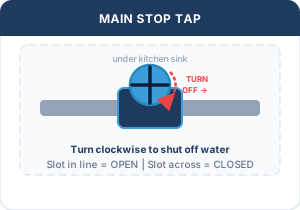
If water is near any electrical sockets or fuse box, turn off the electricity at the consumer unit immediately.
Open cold taps to drain off remaining water in the pipes. Then call a plumber as an emergency. Take photos of any damage for your insurance.
This job needs a qualified engineer — post it now
Post the job and we'll match you with vetted local engineers. Free, no obligation.
Was this guide helpful?
Frequently asked questions
How do I find my main stop tap if I've never turned it off before?
The main stop tap is almost always located under the kitchen sink, fitted to the incoming water pipe where it enters the house. Look underneath the sink unit — you'll spot a small valve that you turn clockwise to shut off. If you can't find it there, check in the hallway, garage, or utility room along the external wall where water enters the property.
What should I do if water is spraying everywhere and I can't reach the stop tap?
Stay calm and try to contain the leak with towels or a bucket while making your way to the stop tap. If the leak is genuinely inaccessible or you're unable to locate the stop tap quickly, call a plumber immediately — they have master keys and can often gain emergency access to stop the supply. In the meantime, turn off the electrics at the consumer unit if water is near any electrical installations.
Can I repair a burst pipe myself, or do I need a professional?
Burst pipes are not a DIY repair job — this is a situation requiring a qualified, Gas Safe registered engineer or plumber. The pipe will need proper replacement or professional patching, often involving access to concealed pipework, and you'll need to ensure the repair meets current Building Regulations and doesn't compromise your water safety.
How much does it typically cost to fix a burst pipe?
Emergency call-out charges usually range from £150 to £300, with repair costs typically between £300 and £1,000+ depending on the pipe's location, accessibility, and whether it's hidden behind walls or under floors. If the pipe runs under concrete or requires significant structural work, costs can escalate considerably — this is why buildings insurance is crucial for covering emergency repairs.
Will turning off the stop tap affect my heating system?
Turning off the main stop tap will cut off the mains water supply to your entire house, including your central heating system if it's fed from mains water. However, your priority is stopping the leak immediately; your heating engineer can recommission the system once the burst is repaired by refilling and bleeding the system of air.
Should I notify my insurance company about a burst pipe?
Yes, you should contact your buildings insurer as soon as possible — most policies cover burst pipes and the resulting water damage, but you'll need to report it promptly and provide photographic evidence. Keep all receipts and documentation from the emergency plumber, as these will support your claim.